Planning a conference, workshop or training session in Vihiga County is very doable, even if you have never organised an event in western Kenya before. A central venue, good catering and somewhere comfortable for participants to sleep cover most of the work. This practical checklist walks you through the rest, from first brief to final evaluation.
Why hold your event in Vihiga County?
Vihiga sits between Kisumu and Kakamega, which makes Mbale, the county headquarters, a natural meeting point for participants coming from across western Kenya. County government offices, schools, churches, cooperatives, NGOs and businesses all hold regular trainings and meetings here, so people are used to travelling in for events. Hosting in Mbale can also save participants a longer journey to a bigger city.
Step 1: Define the purpose and format
Before you call any venue, answer these questions:
- What is the event for? A training, a strategy meeting, a stakeholder forum, an annual general meeting?
- Who is attending, and how many? A realistic headcount drives almost every other decision.
- How long will it run? One day, or several days with participants staying overnight?
- What format suits it? Theatre-style for presentations, classroom-style for training, or cabaret and boardroom layouts for discussion.
Write a one-page brief. It will save you time with every supplier.
Step 2: Choose the right venue
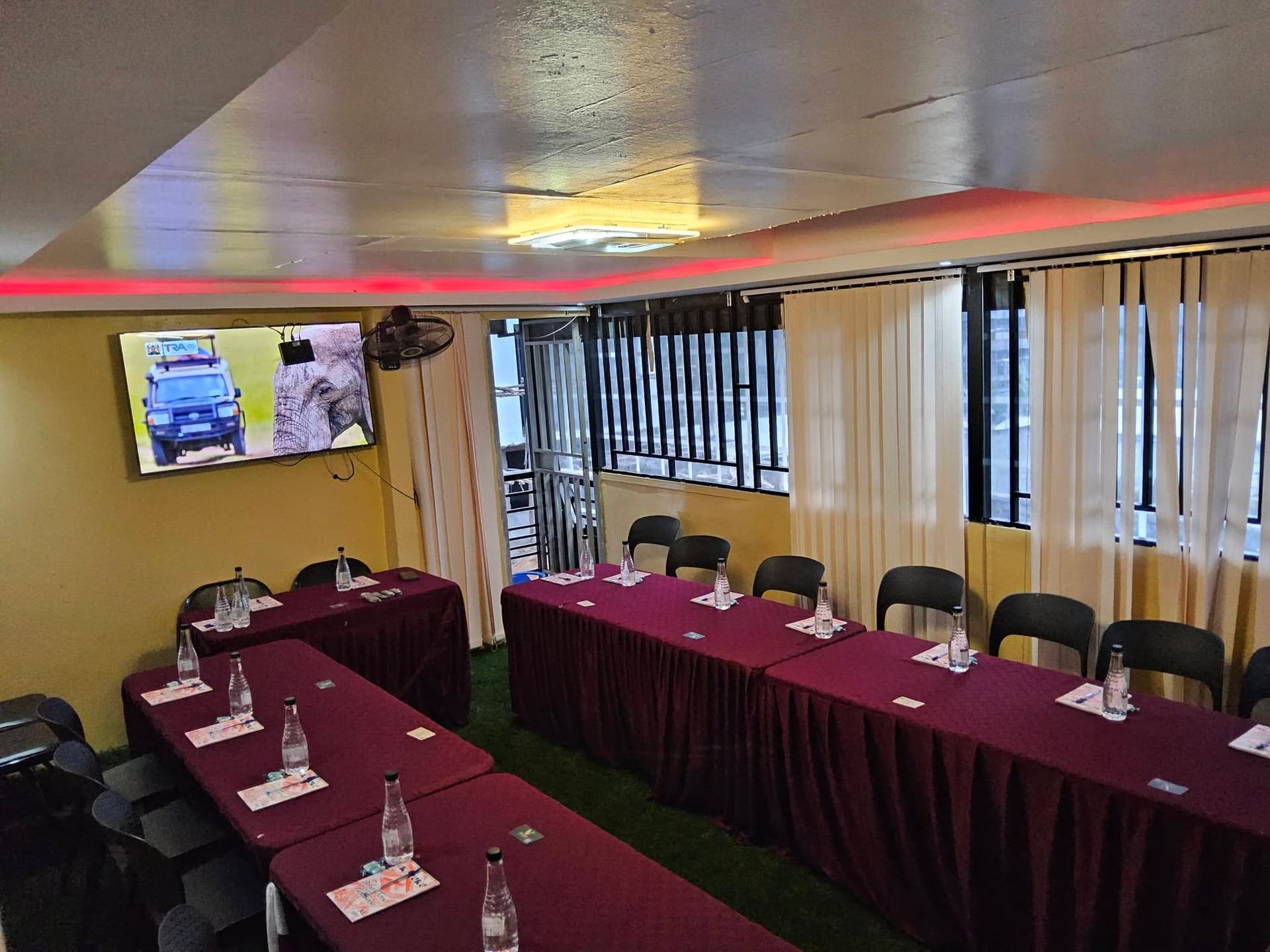
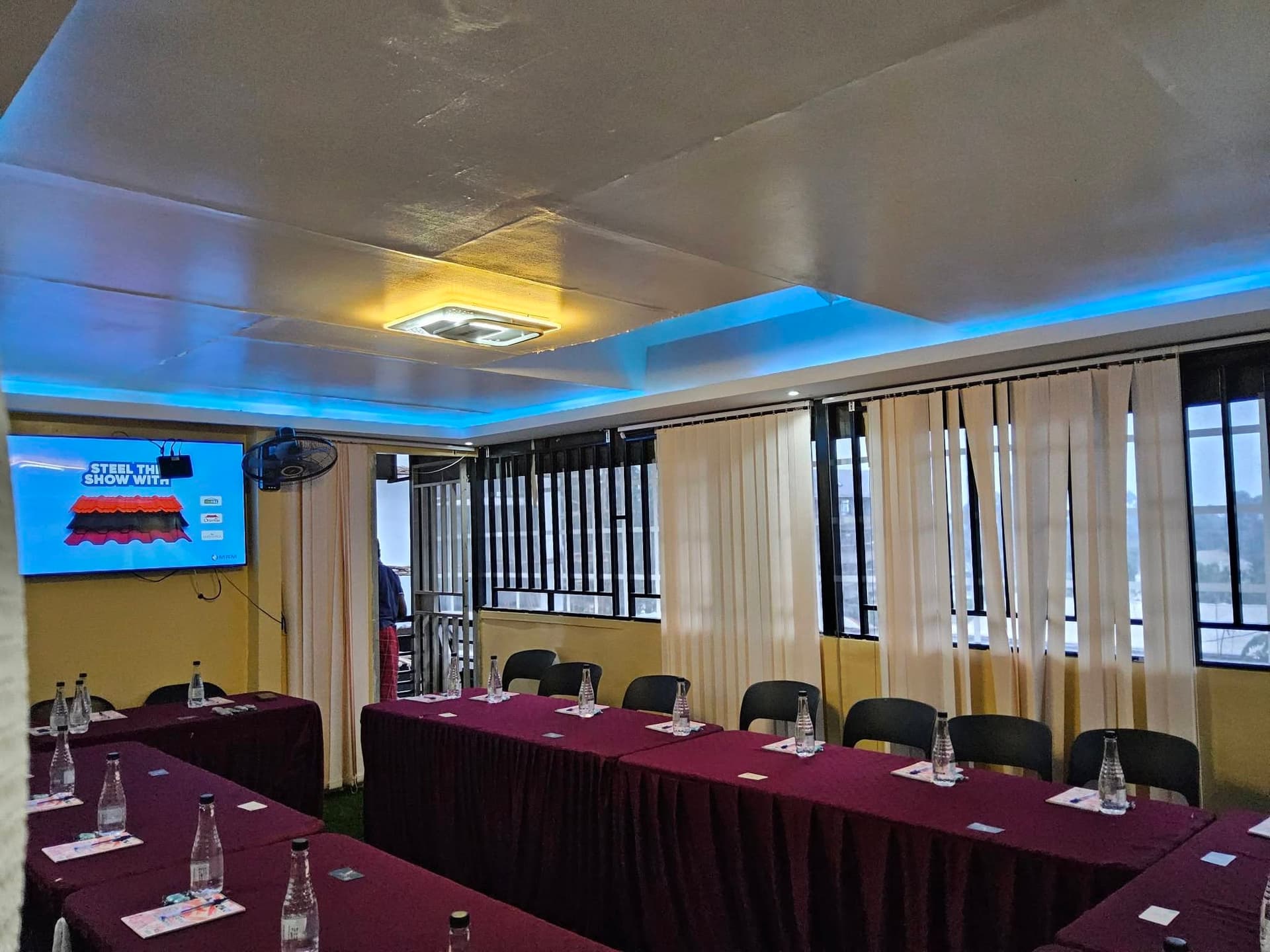
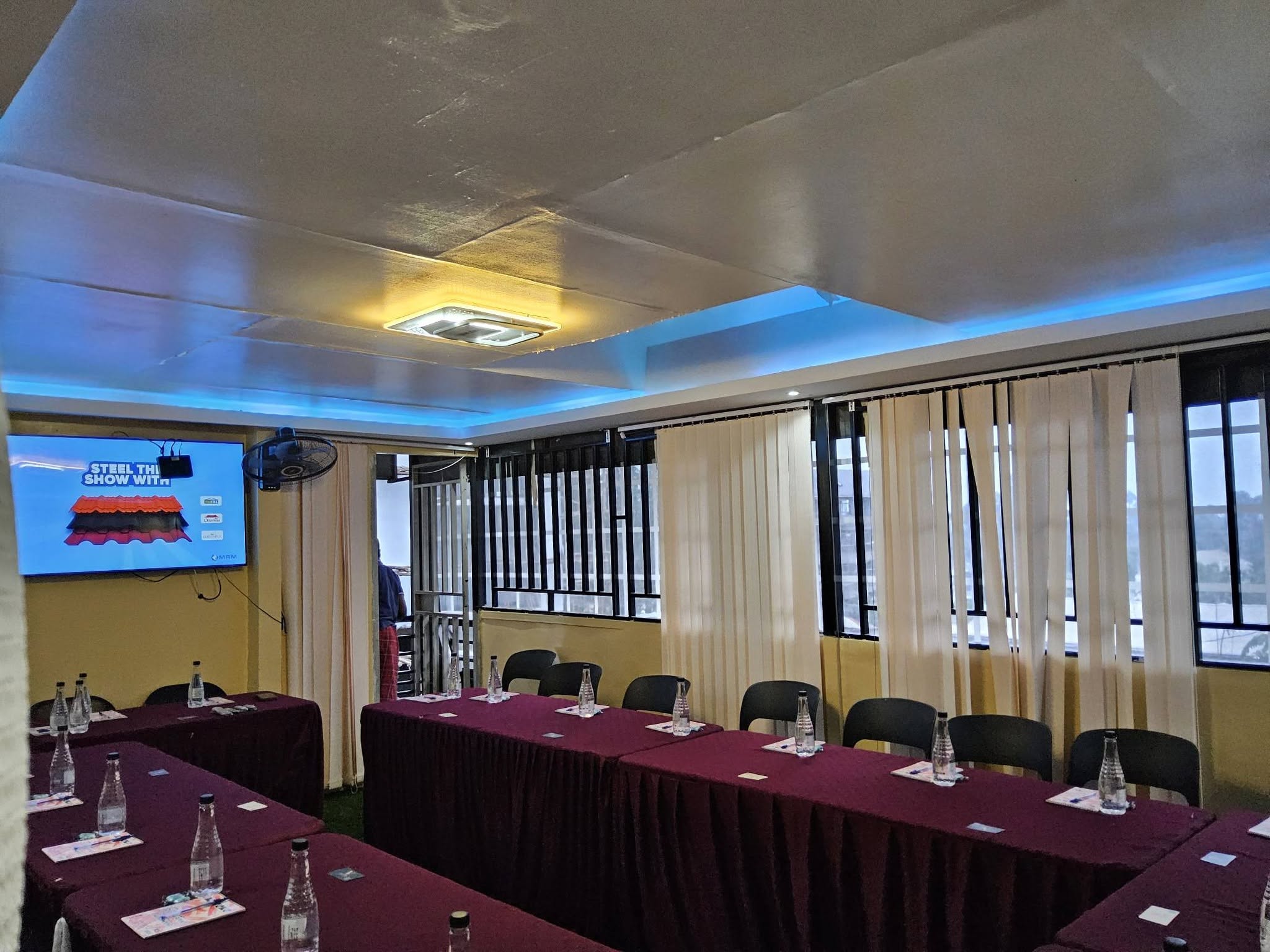
Look for a hall that comfortably fits your group, not one that is far too big or uncomfortably full. At Vectors Resort, our conference hall seats from 10 to 150 people and can be arranged to suit your format.
Questions to ask any venue
- What layouts are possible for my group size?
- What audio-visual equipment is available, and what should we bring?
- Is there reliable Wi-Fi for presenters and participants?
- Can meals and tea breaks be served on site?
- Are there rooms for participants who need to stay overnight?
- What are the deposit, confirmation and cancellation terms?
Step 3: Plan catering early
Food matters more than many organisers expect; a good lunch keeps energy up for the afternoon session. Our restaurant caters for conference groups, from tea breaks to full meals.
- Confirm numbers for each meal and tea break.
- Ask participants about dietary needs (vegetarian, no pork, allergies) at registration.
- Schedule breaks at fixed times and share them in the programme.
- Allow enough time for lunch; rushing it usually means a late start afterwards.
Step 4: Arrange accommodation for out-of-town participants
If people are travelling from Nairobi or elsewhere, staying on site removes a lot of stress: no early-morning commutes and no worries about late finishes. Our rooms all include free Wi-Fi, air conditioning, hot showers and breakfast, and the Executive Suite has a work desk for anyone who needs to prepare in the evening.
Send the venue a rooming list in advance with names, arrival and departure dates and any special requests.
Step 5: Sort out travel and directions
- Share clear directions to Mbale in your invitation, noting that it is Mbale in Vihiga County, Kenya.
- Recommend Kisumu International Airport for anyone flying in.
- Provide a contact number for participants who get lost.
Our guide to getting to Mbale from Kisumu, the airport and Nairobi is a handy link to include in your joining instructions.
Step 6: Build a realistic programme
- Start with registration and tea, allowing 30 minutes for latecomers.
- Keep sessions to around 60–90 minutes before a break.
- Put the most demanding content in the morning, when people are freshest.
- Remember that heavy afternoon rain is common in western Kenya; plan any outdoor activities or site visits for the morning.
- Leave time at the end for questions, evaluations and certificates.
"Send us your draft programme early. When we know your timings, we can plan the room set-up and meal service around your sessions rather than the other way round." – the Vectors Resort team
Step 7: The final-week checklist
- Confirm final numbers with the venue and caterer.
- Test projectors, microphones and laptops in the room.
- Print the programme, attendance sheets and name tags.
- Prepare certificates if needed.
- Share the rooming list and arrival times.
- Brief facilitators on timings and breaks.
- Have a backup plan for power or connectivity issues (bring presentations on a USB stick).
Step 8: After the event
Collect feedback while it is fresh, settle accounts promptly and share a short report with your sponsors or management. Note what worked and what did not; your next event will be easier for it.
Thinking bigger than a meeting?
If you want to combine work with team building or a few days away from the office, read our guide to planning a corporate retreat in western Kenya.
Ready to start planning? Contact our events team with your dates and numbers, or call or WhatsApp +254 708 096997 to discuss your conference in Mbale.