One of the best ways to understand western Kenya is through its food. Meals here are generous, home-style and built around what grows in the fertile fields and what is caught in Lake Victoria. Here is a short guide to the dishes you are likely to come across, and some tips for eating well during your stay in Mbale.
What is typical food in western Kenya?
Western Kenya is home to many communities, including the Luhya, the largest group in Vihiga and Kakamega counties, and the Luo, whose heartland is around Kisumu and the lake. Each has its own traditions, but a few staples appear on tables right across the region.
Ugali
Ugali, a firm, smooth dish made from maize flour cooked with water, is the backbone of most meals in Kenya. It is eaten by hand: pinch off a piece, roll it into a ball, make a small dent with your thumb and use it to scoop up stew or vegetables.
Ingokho (chicken, Luhya style)
Ask anyone about Luhya food and chicken will come up quickly. Ingokho is chicken prepared in the traditional Luhya way, often stewed, and served with ugali. Chicken has long been the dish offered to honoured guests and served at celebrations such as weddings, so being offered it is a mark of respect.
Traditional green vegetables
Western Kenya is known for its variety of indigenous leafy vegetables, which are often cooked simply, sometimes with a little milk or cream. You may hear names such as:
- Tsisaka – a popular leafy green
- Managu – African nightshade
- Mrenda – a soft, slightly slippery green, much loved locally
- Sukuma wiki – collard greens, eaten throughout Kenya
Fish from Lake Victoria
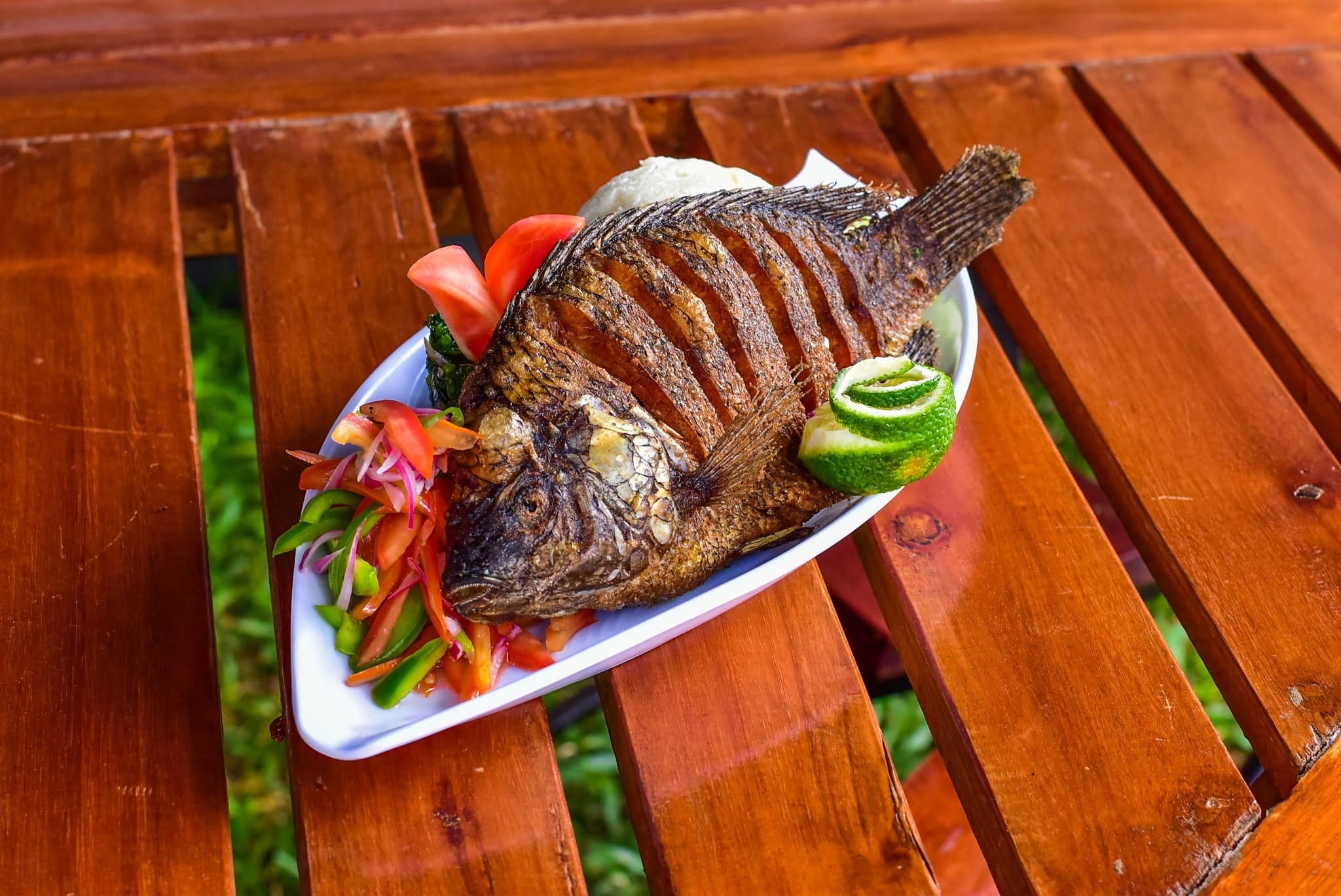
Closer to the lake, and especially around Kisumu, fresh fish is a highlight. Whole fried or stewed tilapia served with ugali and greens is a classic, and eating it at a lakeside spot such as Dunga Beach, near Kisumu, is a memorable experience.
Other dishes to look out for
- Omushenye – a hearty Luhya dish of beans mixed with sweet potatoes.
- Chapati – soft, layered flatbread, popular throughout Kenya.
- Githeri and other bean dishes – filling and widely available.
- Chai – Kenyan tea, usually brewed with milk and sugar. Tea is grown in parts of Vihiga County, so you are drinking a local product.
How do you eat like a local?
A few simple customs will help you feel at home:
- Wash your hands before eating. In many homes and eateries, someone will bring water and a basin to the table.
- Use your right hand for eating, especially with ugali.
- Take your time. Meals are social occasions, and conversation matters as much as the food.
- Accept a second helping graciously. Hospitality is important, and hosts like to see guests eat well.
Where can you buy fresh produce?
Markets across Vihiga and Kakamega counties are full of seasonal fruit and vegetables: bananas, avocados, mangoes when in season, groundnuts and bundles of fresh greens. A walk through a local market is a good way to see what is in season, and many of the greens mentioned above are sold there.
Where can you eat in Mbale?
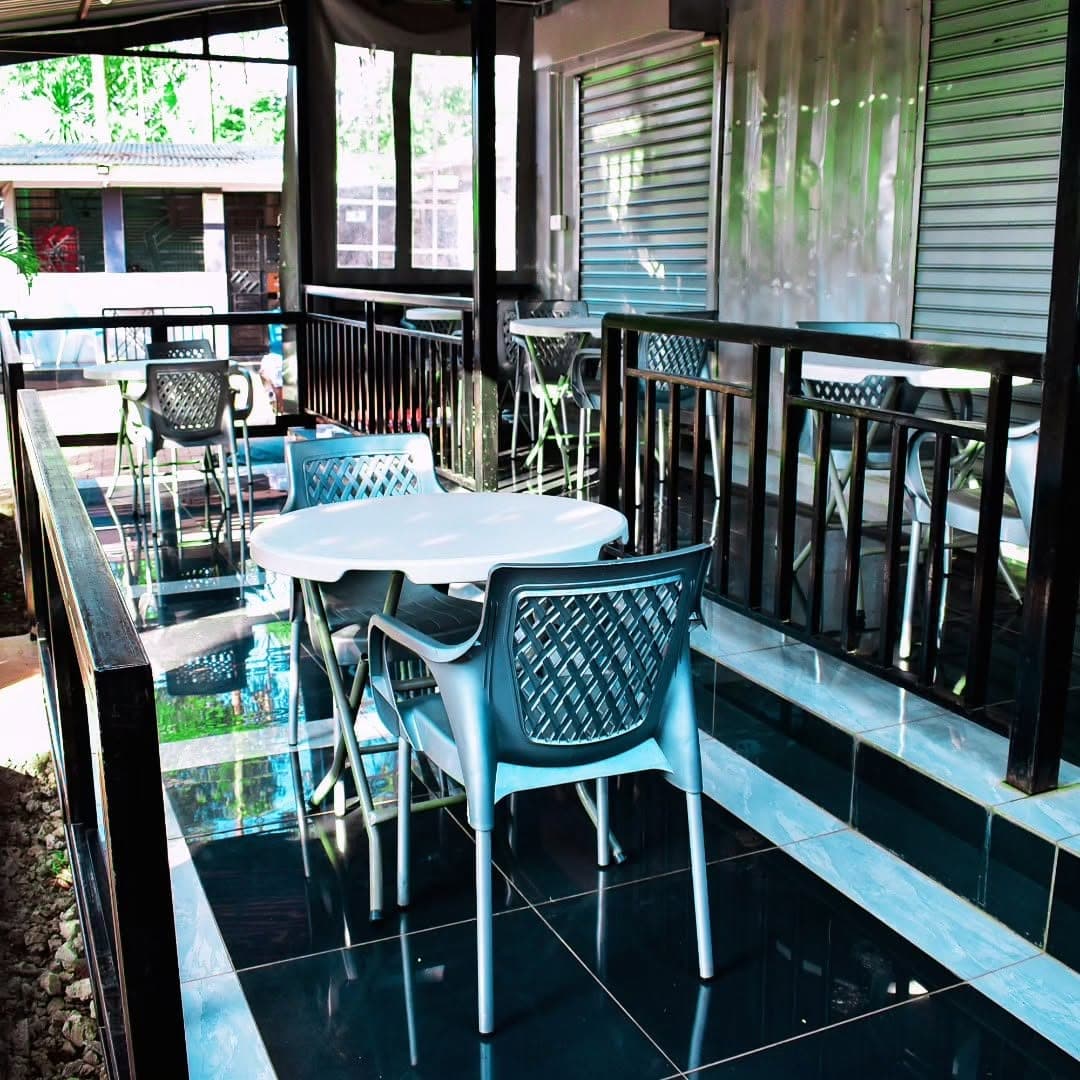
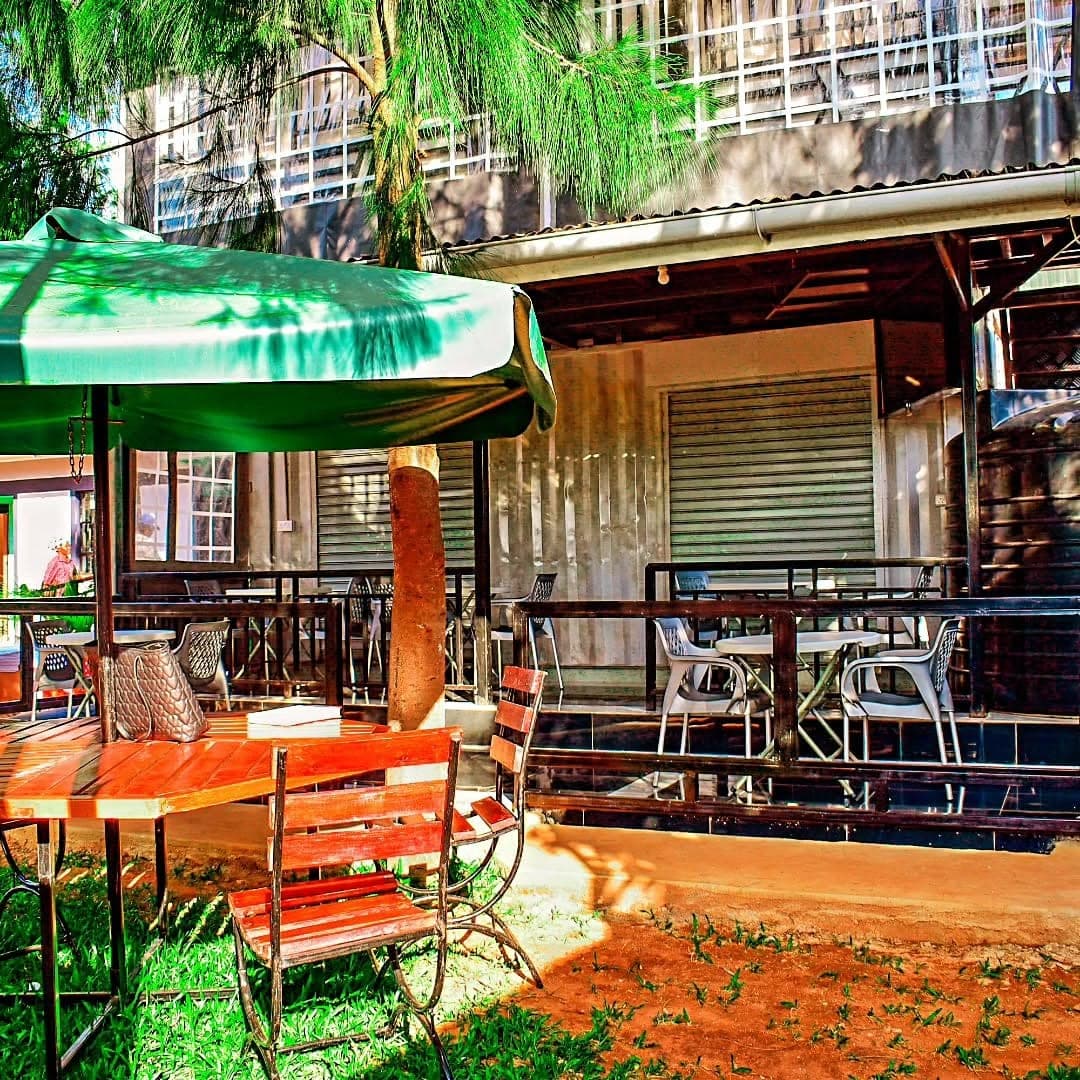
Our restaurant at Vectors Resort is open every day for breakfast, lunch and dinner, and it is not just for hotel guests; visitors from town are always welcome.
What to expect at the restaurant
- Breakfast is included for all hotel guests and is a good, filling start before a day of meetings or exploring.
- Full meals and lighter plates, so you can choose a proper lunch or something smaller if you are between appointments.
- Fresh, home-style cooking in the spirit of the region.
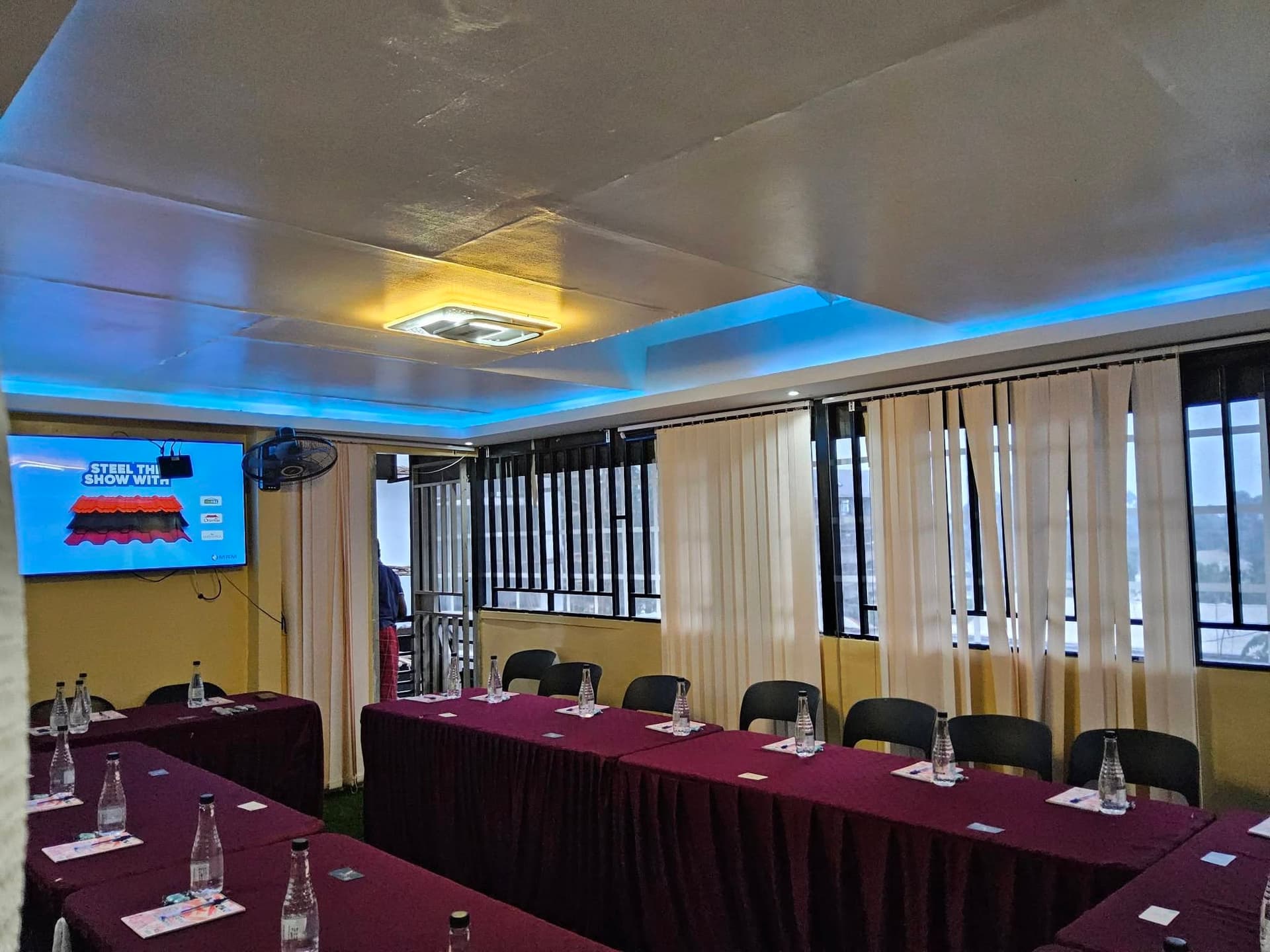
- Catering for groups, including conference groups using our conference hall, from tea breaks to full lunches.
"If you have a dietary need or a favourite dish you are hoping to try while you are in western Kenya, just ask. We always like to know what our guests enjoy." – the Vectors Resort team
Food tips for visitors
- Drink bottled or treated water if you are not used to local tap water.
- Try the local fruit: bananas and avocados here are excellent.
- Be adventurous with greens. Traditional vegetables are nutritious and full of flavour.
- Ask questions. People are generally proud of their food and happy to explain it.
Make food part of your trip
If you are planning to explore the region, combine a lakeside fish lunch in Kisumu with a day in the hills, or pack a picnic for a walk in Kakamega Forest. Our guide to things to do in Mbale and Vihiga County has more ideas.
Hungry already? Visit our restaurant, book a room to enjoy breakfast with your stay, or call or WhatsApp +254 708 096997 to arrange a group meal.